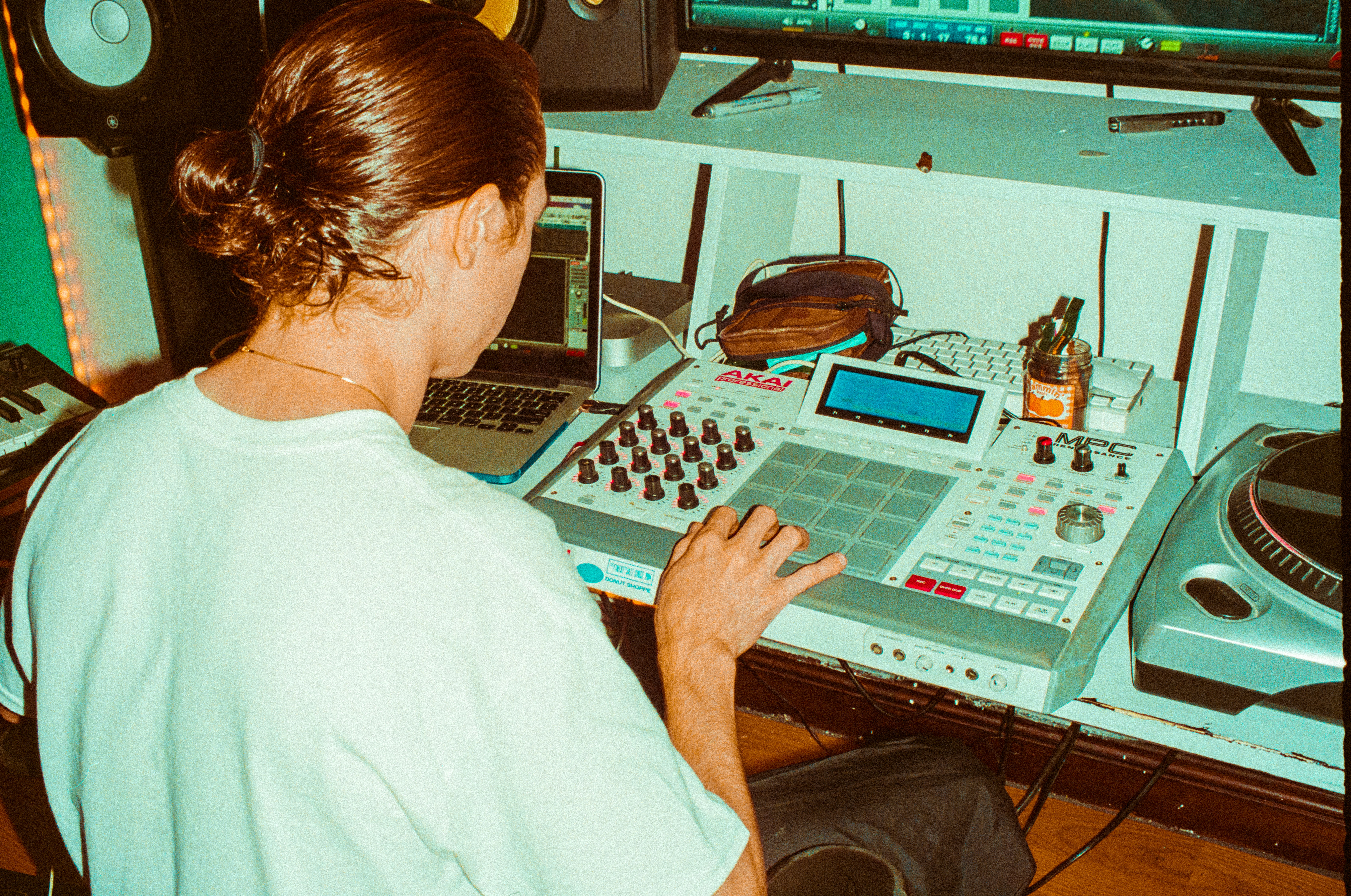
Introduction to Rap Music
Rap music, as a vibrant and influential genre, has roots that trace back to African American communities in the 1970s. Originally emerging from the cultural tapestry of the Bronx, New York, it has evolved into a global phenomenon that transcends borders and resonates with a diverse audience. Over the years, rap music has transformed considerably, fostering various sub-genres and styles that reflect the ever-changing landscape of society.
One significant era in the evolution of rap is the rise of southern hip-hop, characterized by its unique storytelling aspect and melodious beats. This style often articulates the intricate narratives of life experiences, social issues, and personal struggles, creating a profound connection with listeners. In particular, artists from this region have mastered the art of storytelling, employing vivid imagery and relatable themes that often resonate deeply within the rap community.
Additionally, innovative styles such as cinematic trip-hop rap emerge, blending elements of hip-hop with atmospheric soundscapes. This fusion demonstrates the genre’s versatility and ability to incorporate diverse musical influences. As such, the sound of rap music continues to expand, attracting a new generation of listeners and creators who experiment with production techniques and lyrical compositions.
The importance of storytelling in rap music cannot be overstated. It serves as a vehicle for self-expression, allowing artists to voice their realities and engage their audiences on an emotional level. Effective storytelling paired with compelling rhythms has been a hallmark of successful rap tracks, contributing to the genre’s rich history. Understanding the origins, evolution, and distinct characteristics of rap music is essential for anyone seeking to learn how to create rap music.
Understanding the Elements of Rap
Rap music is characterized by its distinctive components, which together forge the unique auditory experience that defines this genre. The primary elements of rap include beats, rhythm, and lyrics, each playing a crucial role in shaping the overall sound and emotional resonance of a track.
The beat typically serves as the backbone of a rap song. It encompasses the instrumental foundation laid down by producers, incorporating various instruments, samples, and sounds. A strong beat not only dictates the pace of the song but also influences the energy and mood. In rap music, beats can vary widely—from old-school boom-bap to contemporary trap—each style evoking different feelings and responses from listeners.
Rhythm is another integral aspect that contributes to the delivery of rap. It refers to the pattern of sounds and silences in music and is essential for establishing flow. Rappers utilize rhythm to synchronize their lyrics with the beat, employing techniques such as syncopation and varying cadence. This interplay between rhythm and flow enhances the lyrical message, allowing artists to convey their thoughts and emotions more effectively.
Finally, lyrics are the core of rap music, often characterized by their poetic nature and storytelling capabilities. They convey the artist’s experiences, emotions, and social commentary, and the creativity involved in crafting compelling lyrics is paramount. This is where the term ‘heavy dee’ comes into play. It indicates a production style that emphasizes strong, impactful lyrics combined with solid beats, a hallmark of high-quality rap music.
Through an understanding of these elements—beats, rhythm, and lyrics—aspiring artists can learn how to create rap music that resonates with audiences, inviting them to connect with the art form on multiple levels.
Finding Your Unique Sound
Developing a unique sound is essential for any rap artist aiming to stand out in the competitive landscape of hip-hop music. To embark on this journey, one must first explore diverse genres and styles that resonate with their personal experiences and musical preferences. Experimentation can lead to the discovery of a sound that encapsulates an individual’s artistic identity.
For instance, artists like Kid Cudi have successfully merged elements of alternative rock with rap, creating a unique sound that has garnered widespread acclaim. Similarly, artists such as Lil Nas X have incorporated country influences into their rap music, demonstrating the potential for genre-blending to not only broaden one’s appeal but also to create something truly innovative. Trying out different musical styles or even collaborating with artists from varied genres can enhance one’s musical repertoire and lead to new creative pathways.
Additionally, incorporating influences such as cinematic trip-hop rap can deepen the emotional resonance of your music. This genre combines ambient soundscapes with rhythmic elements, providing a vast canvas for lyrical creativity. By integrating cinematic qualities into your production, you can evoke vivid imagery that captivates your audience, inviting them into the narrative you wish to convey. This method has been employed by artists like A Tribe Called Quest, who have artfully combined jazzy undertones with their lyrical prowess, creating timeless tracks that are both reflective and engaging.
Ultimately, finding your distinctive sound requires dedication to self-discovery and openness to experimentation. It is about crafting a musical signature that not only aligns with your influences but also showcases your individuality, thereby establishing a connection with listeners who resonate with your authentic expression. Each artist’s journey is unique, so be patient and let your creativity flourish in the vast world of hip-hop.
The Writing Process for Rap Lyrics
Creating rap music begins with the fundamental step of writing compelling lyrics. This process can vary from artist to artist, but several key elements remain constant across the genre. A significant aspect of writing rap lyrics is storytelling, which has particularly strong roots in southern hip-hop. The narrative is essential, as it engages listeners and resonates deeply with their experiences.
When crafting your lyrics, consider developing distinct themes that reflect your personal experiences or societal issues. Themes can range from personal struggles and triumphs to broader cultural narratives, which provide depth to your work. In southern hip-hop, the tradition of storytelling shines through, allowing artists to weave intricate tales within their verses.
Another crucial element in the writing process is the use of rhyme schemes. Varied rhyme patterns not only enhance the musicality of rap music but also create a rich listening experience. Techniques such as internal rhymes, multisyllabic rhymes, and assonance can elevate the complexity of the lyrics. Experimenting with different forms of wordplay can also help to maintain the listener’s interest throughout your verses.
Inspiration for your rap lyrics can be drawn from an array of sources including life experiences, current events, and cultural reflections. Observing your surroundings, engaging in conversations, and staying informed about societal happenings can significantly influence your writing. By infusing your narratives with genuine emotion and relevance, you increase the likelihood of your audience connecting with your work.
Ultimately, the journey of writing rap lyrics is both a craft and an art form. By refining your storytelling abilities and experimenting with various techniques and themes, you can create powerful and evocative music that truly represents your voice in the hip-hop world.
Beat Production and Selection
When it comes to rap music, the importance of beat production cannot be overstated. The beats, often characterized by their rhythmic complexity and catchy hooks, serve as the foundation upon which the lyrics are built. To create rap music that resonates with listeners, selecting or producing the right beats is crucial. A well-crafted beat can elevate a lyrical performance, enhancing the overall impact of the song.
There are several tools and software available today that facilitate beat-making, making it accessible even for those who are just beginning their journey in hip-hop. Digital Audio Workstations (DAWs) like FL Studio, Ableton Live, and Logic Pro are popular choices among producers. These platforms offer a wide range of virtual instruments, samples, and effects that can be manipulated to create unique beats. Additionally, online beat-making tools like GarageBand can be an excellent starting point for novices.
Matching the mood of a beat with the lyrical themes is a vital aspect of the creative process in rap music. Different beats evoke different emotions; thus, a producer must choose or create a beat that complements the message of the lyrics. For instance, a high-energy beat works well with uptempo tracks celebrating life or success, while slower, more subdued beats are suitable for introspective lyrics that explore deeper themes like struggle or loss. Furthermore, rap music often incorporates various genres such as trap, boom-bap, and even jazz influences, which can expand the beat selection process and inspire unique lyrical content.
By honing skills in beat production and thoughtfully selecting beats that align with lyrical intent, aspiring artists can significantly enhance their craft. Understanding the synergy between beats and lyrics is essential for anyone looking to make a mark in the dynamic world of hip-hop.
Recording Your Rap Music
Recording rap music requires an understanding of both the technical aspects and creative nuances involved in the genre. The first step in this process is to gather the necessary equipment to produce high-quality recordings. Essential items for any aspiring hip-hop artist include a microphone, audio interface, headphones, and a digital audio workstation (DAW). A condenser microphone is often preferred for vocal recordings as it captures nuances effectively, providing clarity to the rap lyrics.
Setting up a home studio can be a rewarding experience. Choose a space that minimizes noise interference to avoid unwanted sounds in your recordings. It is advisable to invest in acoustic treatment, such as foam panels, to enhance the room’s acoustics. This can significantly improve the quality of your rap music recordings, allowing the listener to fully appreciate the intricate rhythm and wordplay typical of hip-hop.
When it comes to vocal recording, it is crucial to create a conducive environment for your performance. Warm up your voice beforehand, and ensure that your delivery aligns with the beat. Pay attention to your dynamics, articulation, and emotional expression, as these elements will enhance your rap’s impact. Experiment with different recording techniques, such as layering your vocals or adding background harmonies, to create a more complex sound.
After finalizing your verses, consider distribution channels such as Spotify. Platforms like Midnight Haze facilitate the distribution of rap music and allow artists to engage with their audience effectively. Utilizing such services ensures that your work reaches a larger audience, enhancing your visibility in the hip-hop scene. This step is vital for aspiring artists looking to make a name for themselves in the rap music industry.
Mixing and Mastering Your Tracks
Mixing and mastering are crucial stages in the production process of rap music that transform raw recordings into polished, professional-sounding tracks. The mixing process involves blending all individual audio elements, such as vocals, instruments, and beats, into a cohesive whole. This step is essential to ensure that every component of the track is audible and harmonically balanced. A primary tool used in mixing is equalization (EQ), which allows producers to adjust the frequency balance of individual tracks to make them fit together better.
Compression is another vital technique utilized during mixing. It helps control the dynamic range of audio signals, preventing louder sounds from overpowering softer ones. This technique is particularly important in rap music, where vocal delivery can vary significantly in volume and intensity. By applying compression judiciously, producers can achieve a more consistent sound that enhances the overall quality of the track.
Once the mixing is complete, the next step is mastering. Mastering is the final stage of audio production, ensuring that the track sounds its best across all listening platforms, from streaming services to vinyl records. Mastering involves several processes, including final EQ adjustments, dynamic control, and adding effects such as reverb or delay. It is vital for maintaining consistency across an album of rap music, making certain that each track transitions smoothly into the next.
Both mixing and mastering contribute significantly to the listener’s experience, elevating the quality of hip-hop tracks and allowing artists to present their work in the best possible light. By mastering these techniques, aspiring producers can significantly enhance their ability to create rap music that resonates well with their audience.
Marketing and Promoting Your Rap Music
In an era where numerous artists are vying for attention, effective marketing and promotion of rap music are imperative for success. One of the foremost strategies is leveraging social media platforms. Given the widespread use of platforms such as Instagram, TikTok, and Twitter, these channels allow artists to connect directly with their audience. Consistently sharing engaging content, whether through short clips of your rap performances, behind-the-scenes footage, or storytelling posts, can help in nurturing a loyal fanbase.
Furthermore, streaming platforms such as Spotify, Apple Music, and SoundCloud serve as essential tools for distributing rap music. Ensure that your tracks are available on these platforms, as they not only increase accessibility for listeners but also enhance discoverability. Curating playlists that feature your music alongside other artists can open new doors for collaborations and introduce your style to a broader audience.
Live performances have always been a hallmark of the hip-hop genre and are vital for promoting your work. Organizing gigs, open mic nights, and participating in music festivals can provide exposure and allow you to engage directly with fans. These interactions often lead to organic growth, as attendees spread the word about their experience via word-of-mouth or social media.
Collaborations with other musicians, particularly within the hip-hop community, can be a powerful strategy for cross-promotion. By working with artists who have established fanbases, you can reach new listeners and expand your reach. Engage with other artists not only for collaborative tracks but also for joint performances or social media takeovers.
In conclusion, the effectiveness of your marketing and promotion strategies will play a significant role in the visibility and success of your rap music in a competitive landscape. The integration of social media, streaming platforms, live performances, and collaborations can create impactful opportunities for emergent artists, particularly in the evolving music scene of 2026.
The Future of Rap Music
The evolution of rap music has been marked by continuous innovation and adaptation. As we look towards the future, current trends suggest a dynamic trajectory influenced by the integration of technology and diverse storytelling techniques. Aspiring artists are encouraged to embrace personal storytelling, an essential element rooted in the genre’s history. This approach allows for authenticity in lyricism, resonating more deeply with audiences.
Moreover, the emergence of new platforms facilitates the dissemination of music in unprecedented ways. Platforms like social media and streaming services have transformed how hip-hop artists engage with listeners, allowing direct communication and immediate feedback. This shift underscores the importance of not only producing quality music but also establishing a personal brand and fostering a community around one’s art.
As rap music continues to diversify, we are also witnessing a resurgence of cinematic elements within the genre, particularly within trip-hop and southern hip-hop. These subgenres highlight a unique blend of atmospheric soundscapes and storytelling that captivates audiences and reflects complex societal narratives. By experimenting with various sounds and collaborating across genres, artists can push the boundaries of what hip-hop can represent.
In conclusion, the future of rap music appears promising, characterized by an ongoing dialogue between tradition and innovation. For emerging artists, this presents an opportunity to harness new technologies while staying true to their unique voices. By weaving personal narratives into their creations and experimenting with sound, they can contribute to the vibrant tapestry of rap music, ensuring its relevance for years to come.