Introduction to Rap Music and Its Evolution
Rap music, a dynamic and multifaceted genre, first emerged in the late 1970s in the Bronx, New York City. It is characterized by its rhythmic vocal style, known as “rapping,” where artists deliver lyrics in a rhythmic, spoken manner, often accompanied by beats and instrumentals. The roots of rap can be traced back to African American musical traditions, including jazz, blues, and spoken word poetry. Initially, it served as a form of self-expression, giving voice to marginalized communities.
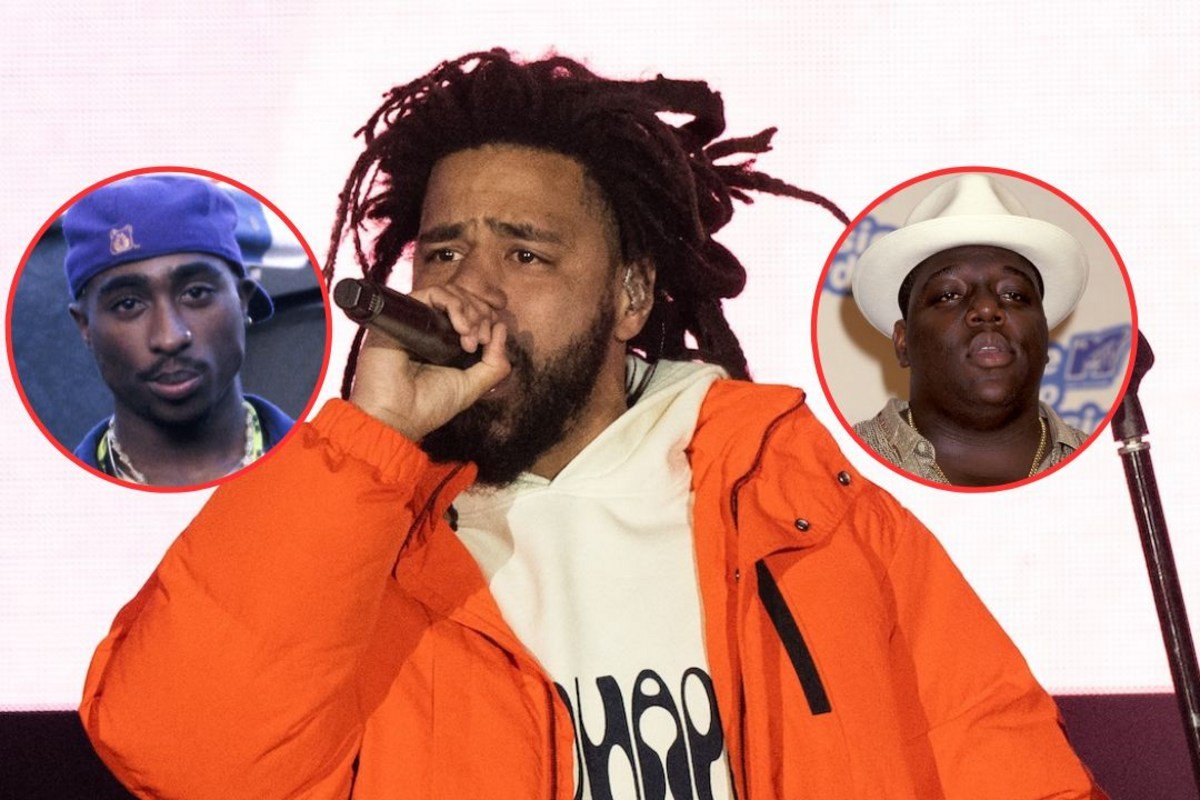
As rap music gained popularity in the 1980s, it began to diversify, leading to the emergence of various sub-genres. The introduction of artists like Run-D.M.C. and LL Cool J marked the transition to mainstream acceptance. Subsequently, the 1990s recognized the rise of East Coast and West Coast hip-hop, bringing forth influential figures such as The Notorious B.I.G. and Tupac Shakur. This era was pivotal, as it showcased rap as not only a genre but also a powerful cultural movement.
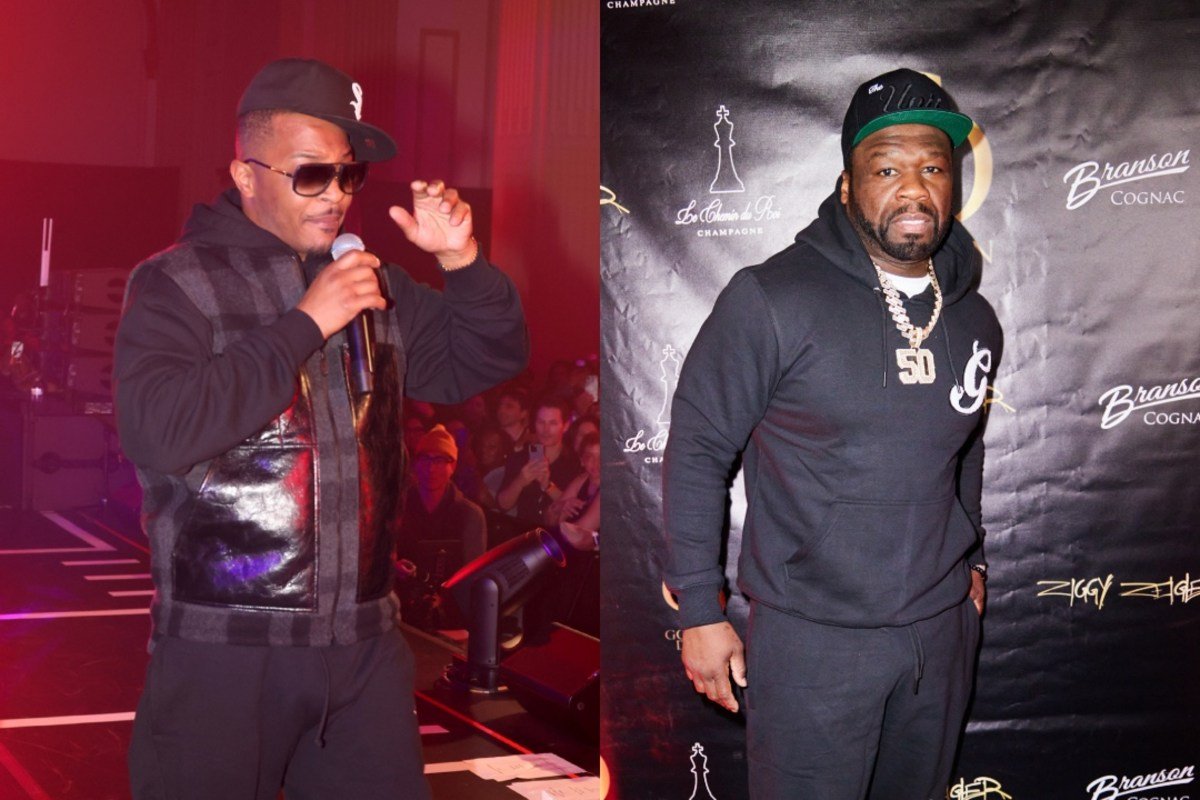
In the early 2000s, rap further transformed with the advent of new styles, including Southern hip-hop and trap music, revolutionized by artists like OutKast and T.I. This period also saw the globalization of rap, with artists from various countries and cultures incorporating rap elements into their music. Today, modern rap continues to evolve, blending with genres such as pop, rock, and electronic music, further influencing mainstream culture.
Understanding the evolution of rap music is crucial for recognizing its current impact on the music industry and culture. As rap continues to thrive, so does the necessity for strategic content promotion, particularly through SEO-optimized articles, which play a vital role in connecting artists and their messages with a broader audience.
Understanding SEO for Music Promotion
Search Engine Optimization (SEO) is crucial for promoting artists and their work, particularly in the competitive landscape of rap music. SEO encompasses various strategies designed to enhance the visibility of online content, making it easier for audiences to discover music-related articles and press releases. One of the fundamental principles of SEO is the effective use of keywords, which are terms or phrases that users enter into search engines. By incorporating relevant keywords related to rap music, artists can improve their rankings on search engine result pages, driving more organic traffic to their sites.
Moreover, meta tags play a significant role in SEO. These HTML tags provide information about a website’s content to search engines and help define the context of the material. For example, a well-crafted meta description that includes specific keywords about rap music can capture the attention of both search engines and potential listeners, leading to increased click-through rates. Additionally, headings and subheadings should include pertinent keywords, contributing to better indexing by search engines.
Link building, or obtaining backlinks from authoritative sites, is another essential aspect of SEO. When reputable websites link to a press release or blog post about an artist, it signals credibility to search engines, which may boost ranking positions. For instance, if a popular music blog shares a link to a rapper’s article, this not only enhances the credibility of the content but also exposes the artist to a wider audience. Therefore, fostering relationships with influential platforms in the music industry can lead to tangible SEO benefits.
In summary, understanding SEO is integral to the promotion of rap music. By applying key tactics like keyword optimization, appropriate metadata, and effective link building, artists can enhance their online visibility, enabling them to reach a broader audience and expand their fan base in an increasingly digital world.
Identifying Relevant Keywords for Rap Music
Identifying and selecting relevant keywords for rap music is a crucial step in crafting an effective SEO-optimized press release or blog article. The right keywords enhance visibility in search engine results and attract a targeted audience interested in the dynamic world of rap culture and music trends. To begin, it is important to understand and utilize specific phrases and words related to the genre.
For instance, keywords such as ‘heavy dee,’ ‘midnight haze spotify,’ ‘cinematic trip-hop rap,’ ‘southern hip-hop storytelling,’ and ‘new music 2026’ are essential. ‘Heavy dee’ refers to an artist or unique style that might resonate with hip-hop enthusiasts, while ‘midnight haze spotify’ could evoke a certain vibe associated with listening to rap music during late-night hours. The keyword ‘cinematic trip-hop rap’ suggests a fusion of genres, appealing to listeners who appreciate innovative soundscapes in hip-hop.
The term ‘southern hip-hop storytelling’ highlights a specific subgenre within rap that is known for its rich narrative elements, thus drawing in fans who are interested in lyrical depth. Lastly, ‘new music 2026’ emphasizes the relevance of upcoming hits and releases in the ever-evolving rap music scene. This keyword not only speaks to current listeners but also captures the attention of future fans eager to stay updated on trends.
To research and analyze keyword performance effectively, utilizing tools such as Google Trends, Ahrefs, or SEMrush can provide valuable insights into search volume and competition levels. Incorporating these keywords meaningfully into your content will assist in optimizing for search engines while maintaining a natural flow, ultimately engaging both existing fans and newcomers to rap music.
Crafting a Compelling Press Release
Creating a professional press release involves a structured approach that ensures the core message resonates with the target audience while being optimized for search engines. At the outset, the headline should capture the essence of your message in a concise and engaging manner. A thought-provoking headline is crucial; it not only piques interest but also incorporates relevant SEO keywords related to rap music, thus improving visibility on search platforms.
The lead paragraph follows, succinctly summarizing the press release’s main points. This section serves to hook your readers by addressing the who, what, where, why, and when of the news. Using this method effectively communicates the key details, while also integrating synonyms or related terms to enrich the text without overwhelming your audience with repetitive language.
Next is the body of the press release, where you can elaborate on your narrative. Here, the story of your rap music subject unfolds. It’s imperative that this segment retains a balance: sharing essential details and engaging the reader without becoming overly promotional. Incorporate quotes from artists or industry figures to add authenticity and interest, whilst weaving in keywords strategically to bolster SEO.
Lastly, the boilerplate offers background information about your brand or organization. This is a vital element that establishes credibility and context. By clearly explaining your connection to the rap music genre, you position your release in a way that is informative and relevant to interested parties.
In crafting your press release, prioritizing intention and clarity is key. Aim for a professional yet approachable tone, ensuring that your words align with both the ethos of rap music and the expectations of your audience. This thoughtful approach can significantly enhance both readability and the effectiveness of your press release.
Writing an Engaging Blog Article about Rap Music
Creating an engaging blog article about rap music requires a thoughtful approach that captivates readers while also being optimized for search engines. To achieve this, begin with a strong hook that draws the reader in. This can be a provocative question, an interesting fact, or a powerful quote from a popular artist. By establishing a compelling opening, you set the stage for the rest of the article and encourage readers to continue.
Next, structure the article with well-organized paragraphs that maintain clarity and coherence. Each paragraph should focus on a single idea related to rap music, providing insights or information that is both entertaining and informative. It is essential to maintain a logical flow throughout the article, transitioning smoothly between topics, such as historical developments in rap, current artists, or evolving trends within the genre. This organization not only improves readability but also keeps the audience engaged.
Incorporating personal anecdotes or stories about notable artists can enhance the emotional connection of the article. These narratives allow readers to relate on a deeper level, and they contribute to a richer understanding of the culture surrounding rap music. Whether it’s discussing the struggles and triumphs of a particular rapper or sharing memorable concert experiences, personal stories add a unique and relatable element to your writing.
Maintaining keyword usage is crucial for SEO, but it should not compromise the quality of writing. Aim to weave relevant terms—such as rap music, hip-hop, and the names of prominent artists—naturally throughout the text. Be careful not to overstuff keywords; instead, integrate them fluidly into the narrative. This balanced approach preserves the article’s readability while improving its visibility in search engine results.
The Role of Storytelling in Southern Hip-Hop
Southern hip-hop, a vibrant subgenre within the broader spectrum of rap music, is renowned for its rich storytelling tradition. This distinct approach to narration sets it apart from other forms of rap, where the emphasis might be placed more heavily on lyricism or rhythmic flow. In southern hip-hop, however, the narrative serves not only to engage listeners but also to present a cultural autobiography that reflects the social, economic, and historical realities of the South.
One fundamental characteristic of storytelling in southern hip-hop is its deeply personal nature. Artists often draw from their own experiences, encapsulating the everyday struggles, aspirations, and triumphs of life in their communities. This authenticity resonates with audiences, fostering a sense of connection that makes the music not just entertainment, but also a medium for communal reflection and dialogue.
Moreover, southern hip-hop utilizes various storytelling techniques, such as vivid imagery, relatable characters, and a conversational tone, which enhance the narrative delivery. These artists frequently weave tales of resilience and hope amid adversity, all while retaining an engaging and entertaining format. For instance, an artist might recount their journey from hardship to achieving success, which not only inspires but also creates a blueprint for others facing similar challenges.
Incorporating these storytelling elements within press releases or blog articles can significantly enhance the depth and appeal of the content. By highlighting the unique narratives present in southern hip-hop, writers can effectively attract a wider audience—helping them understand not just the music itself, but the societal contexts from which it originates. Thus, embracing storytelling as a core feature, southern hip-hop offers a compelling angle for content creation that celebrates its cultural significance while promoting the genre to a broader demographic.
Utilizing Cinematic Elements in Rap Music
Rap music has often been viewed as a purely auditory experience, but the integration of cinematic elements has transformed the way artists convey their narratives and engage with their audiences. A particularly fascinating aspect of this evolution is evident in subgenres like cinematic trip-hop rap, where visual storytelling intertwines seamlessly with lyrical expression.
Cinematic elements in rap music can visually enhance the experience, allowing listeners to engage with the music on multiple sensory levels. The use of imagery, symbolism, and visual storytelling techniques can elevate a song’s message, offering deeper insights into the artist’s intent. For instance, music videos that incorporate cinematic storytelling techniques—such as character development, thematic exploration, and visual metaphors—can create a compelling parallel to the lyrics, fostering a richer connection with the audience.
Moreover, the ability of visuals to evoke emotion can significantly amplify the impact of the music. A thoughtfully crafted visual narrative can elicit feelings of nostalgia, introspection, or empowerment, enriching the listener’s experience of rap music. The partnership of visuals and sound can thus create an immersive atmosphere that captivates viewers and transcends traditional listening boundaries. Artists are encouraged to explore this synergy in their promotional content. By crafting visuals that complement their musical themes, they can enhance storytelling, offering a more compelling narrative arc to their projects.
Additionally, these cinematic elements can serve as powerful tools for marketing and branding in the competitive rap music landscape. Engaging visual content, when paired effectively with the music, can increase audience reach and retention, fostering a lasting impression. In a digital age where attention spans are fleeting, leveraging cinematic techniques can help artists stand out and resonate more deeply with fans, ultimately contributing to their success in the industry.
Leveraging Platforms like Spotify for Music Promotion
In the contemporary music landscape, platforms like Spotify have become crucial for artists, particularly those in genres like rap music. To effectively promote your rap music, it is essential to understand how to utilize the various features Spotify provides. One significant approach is creating compelling playlists that not only showcase your tracks but also include songs from other artists within the rap genre. This strategy can help attract a wider audience who appreciate similar sounds.
Moreover, leveraging Spotify’s tools for artists can lead to increased visibility. For example, the Spotify for Artists feature allows musicians to customize their profiles, access listener analytics, and submit their songs for playlist consideration. It is vital to keep your profile engaging with high-quality images, an informative bio, and links to social media channels. Such enhancements portray professionalism and can build a stronger connection with potential fans.
Another effective way to maximize reach on Spotify is through collaboration. Partnering with fellow rap artists or influencers can generate interest and expand your audience base. Joint releases or features not only diversify your music but also cross-pollinate fan bases. Additionally, consider promoting tracks through social media campaigns that drive traffic to your Spotify page. For instance, using hashtags related to your single or album, such as “midnight haze Spotify,” can generate buzz and attract listeners searching for new rap music.
In conclusion, promoting your rap music on platforms like Spotify requires a multifaceted approach. By creating engaging playlists, utilizing available artist tools, and fostering collaborations, you can significantly enhance your visibility and drive traffic to your music.
Conclusion and Future Trends in Rap Music Promotion
In this discussion, we have explored the essential elements of crafting a professional and SEO-optimized press release and blog article focused on rap music. The evolution of this genre calls for a thoughtful and strategic approach to both writing and promotion. As we have established, understanding your target audience, utilizing relevant keywords effectively, and creating engaging content play vital roles in the successful dissemination of information regarding rap artists and their work.
The rap music landscape is consistently evolving, and artists must remain agile in their promotional strategies to keep pace with upcoming trends. For 2026, we anticipate a growing emphasis on the integration of digital platforms for music distribution and audience engagement. Social media channels and streaming services will likely become increasingly essential in building a strong presence, as these platforms offer immediate connection and feedback from fans.
Moreover, emerging technologies such as virtual reality (VR) and augmented reality (AR) are poised to transform how rap artists engage with their audiences, creating immersive experiences that transcend traditional boundaries. Artists should focus on leveraging these innovations to create unique promotional content that resonates with younger, tech-savvy listeners.
Furthermore, as the global reach of rap music expands, cultural collaborations are becoming more prominent. Artists might consider cross-genre partnerships or incorporating diverse cultural elements into their music and promotional strategies. This adaptability can help broaden their appeal and establish them in various international markets.
In conclusion, a successful promotion in the rap genre requires not only skillful writing and effective use of SEO practices but also adaptability to the dynamic landscape of music and technology. Staying informed about emerging trends and remaining flexible in strategies will empower rap artists to thrive in an increasingly competitive and connected world.